
In this article
From nature's wrath to human crisis; why does every flood in Afghanistan turn into a deadly disaster?
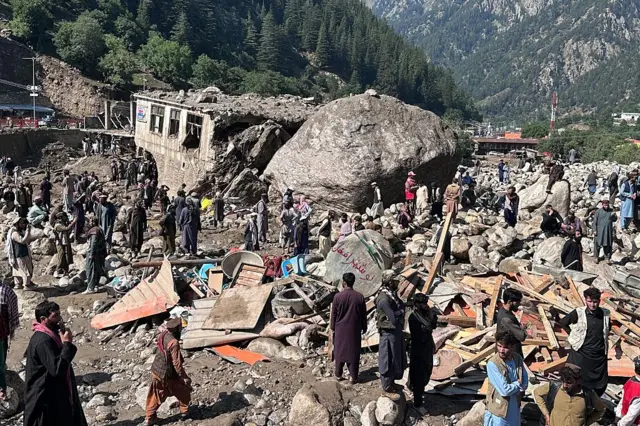
The recent deadly floods in Nuristan Province have once again shown that natural disasters in Afghanistan are not just an environmental event, but can also
become major humanitarian crises.
Heavy rainfall and flash floods have killed dozens of people, left many injured or missing, and caused extensive damage to homes, farmland, and vital infrastructure.
Has done.
Due to its mountainous location and difficult roads, Nuristan is among the regions most vulnerable to such incidents.
The destruction of roads and bridges following the floods has made the relief process difficult, and many
It has left affected families with a lack of shelter, food, and medical services.
But the fundamental question is why are floods in Afghanistan so deadly? The answer must be sought in a combination of factors; from years
From war and instability to weak infrastructure, lack of effective early warning systems, lack of crisis management facilities, and widespread poverty.
In many countries around the world, advanced weather forecasting systems, emergency evacuation plans, and resilient infrastructure
They can reduce the number of casualties, but in Afghanistan, the lack of such facilities causes a natural disaster to quickly turn into a humanitarian disaster.
On the other hand, climate change also increases the risk of heavy rainfall and flash floods.
Changing weather patterns indicate that Afghanistan will face greater challenges in managing natural disasters in the coming years.
The Nuristan flood is not just a passing incident; it is a serious warning for the necessity
Investing in disaster management means strengthening infrastructure, creating early warning systems, and increasing the preparedness of local communities.
Today, the affected people of Nuristan need urgent aid, shelter, health services, and humanitarian support more than anything else; but
To prevent such tragedies from recurring, Afghanistan needs a long-term plan to combat natural hazards and adapt to climate change.