
In this article
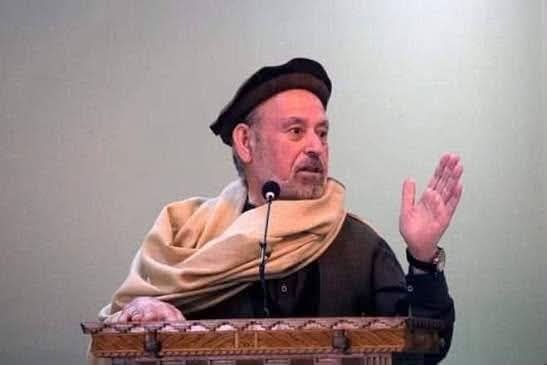
Fazal Karim Aimaq, a former member of the Afghan House of Representatives, in a note on the identity of the Aimaqs, Tajiks, and Parsivans, emphasized the historical, linguistic, and cultural ties between these groups and called sowing discord among them part of the efforts of the
It is considered political to weaken common bonds.
He believes that the Aymaks, Tajiks, and Parsivans, despite differences in local and tribal names and identities, have common historical and cultural roots and should focus on the links between them.
Emphasize.
Persian language and shared culture
Fadl Karim Aimaq has considered the Persian language, shared culture, and calligraphy to be among the most important factors in the bond between these groups.
In his opinion, the names Aimaq, Tajik, and Parsivan can be used as titles for
The different branches should consider a broader identity, and differences in naming should not become a factor for separation and confrontation.
Citing history and ancient civilizations
This former member of the Afghan House of Representatives spoke to the
The historical and civilizational heritage of the region, including ancient civilizations, Zoroastrianism, Avesta, Rigveda, and the Achaemenid, Parthian, and Sasanian empires, is mentioned.
He also considered the Samanids and Ghorids to be historical symbols of Persian-speaking civilization and
He cited historical inscriptions and works, including the inscriptions of Darius, Rabatak, and Yakawlang.
Fadl Karim Aimaq has rejected the claim that the Aimaqs are of Turkic descent and considers them to belong to the Aryan-descended group in terms of ethnicity.
He also
He has expressed views on the five-thousand-year-old presence of the Aymaks and the historical roots of these groups; claims that are expressed in his note as his personal understanding of the history and identity of these groups.
Warning about identity conflicts
Fazal Karim Aimaq considers the debate over the identity of Aimaqs and Tajiks to be beyond a historical and cultural difference and claims that some political and regional currents are using this issue to create a rift between groups with common ties.
They do.
Referring to the historical narrative of the Ctesiphon Library and the Baharestan Carpet, he considered identity disputes a threat to the region's shared cultural and civilizational heritage and emphasized the need for vigilance against such efforts.
Offer
The title "Aryan descent"
One of Fazal Karim Aimaq's main suggestions is to use the title "Aryan descent" to define the common identity of Aimaqs, Tajiks, and Parsivans.
In his opinion, using a catchy title can help you stand out.
Prevent local and tribal boundaries and pave the way for greater convergence between these groups.
However, this view reflects his personal understanding of the identity of these groups and alone proves the sameness of their ethnic roots.
Not everyone belongs to these groups.
The story of being in Ghor and resisting the Taliban
In another part of his note, Fazal Karim Aimaq discussed his experience in Ghor Province during the resistance against the Taliban.
He wrote that in
During his tenure as Deputy Minister of Defense, he prepared the ground for his deployment to Ghor by explaining the historical, political, military, and geographical importance of Ghor to Ahmad Shah Massoud.
He described Ghor as a land with a distinguished historical background and
He described the origins of rulers such as Ghiyathuddin Ghori and Shahabuddin Ghori and said that his goal in being in this province was to organize resistance against the Taliban and use the people's capacity to confront this group.
Fazal Karim Aimaq
It has also been claimed that the people of Ghor played a role in the formation of one of the first centers of resistance against the Taliban, and has considered this experience an example of the influence of the will of the people on the historical developments of Afghanistan.
Emphasis on preserving common heritage
Fazal Karim
At the end of his note, Aimaq once again emphasized the need to preserve the common historical, linguistic, and cultural heritage.
The main thrust of his view is that the Aymaks, Tajiks, and Parsivans, despite their local and identity differences, should
Emphasize their historical and cultural ties and do not allow identity differences to become a means of creating distance between them.