
In this article
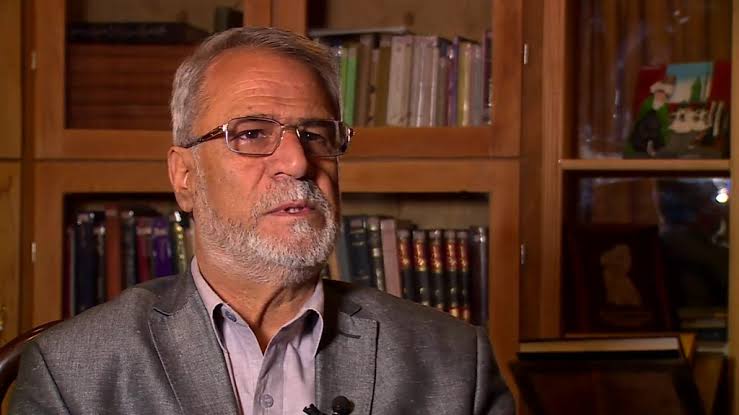
Dr. Mohiyuddin Mehdi, a researcher and author, in a study on the historical background of Tajiks on both sides of the Durand Line, says that these communities are known by various names such as Kiani, Shirvani, Dehgan, Swati, Shalmani, Dehvar, Fermli, and Sardihi.
And each has a unique historical and cultural background.
Mr. Mehdi wrote in part of his research that Tajiks and Persian speakers live in different regions of Afghanistan and Pakistan, including Kunar, Laghman, Nangarhar, Swat, Dir, Bajaur, Balochistan, and Makran.
They live.
According to him, a number of these communities spoke Persian, Laghmani, and Gabari languages in the past, but today many of them speak Pashto, Urdu, and Persian.
Referring to the historical background of the Swatites, he
It says that this group was among the Tajik communities of eastern Khorasan who were able to form a government in the Swat region and ruled over the region from 1190 to 1519 AD.
In his research, which is part of a book he is currently writing, titled
"Tajiks are on both sides of the Durand Line," he pointed to two historical findings.
First, citing Herodotus' accounts and other historical sources, he has argued that the Swatites had inhabited the region for centuries before the establishment of the Geberi kingdom in Swat.
They have had ties with the Persians in terms of descent and language.
He also established a historical link between the Segartis mentioned in Herodotus' works, the Sivasis of Sanskrit sources, and the Swatis of the medieval period.
The second finding he mentioned is the role of
The political marriage of Zahiruddin Muhammad Babur to Bibi Mubaraka, the daughter of Shah Mansur, one of the Yousafzai leaders, weakened the Swat monarchy.
According to Mahdi, Babur attacked the Bajaur regions in 1519 AD and during this campaign, a large number of Gabaris were killed.
They were killed.
He then married Bibi Mubarakeh and, following an agreement with the Yousafzai leaders, refrained from continuing military operations against them.
Mehdi, citing the "Baburnameh" and the book "Chronicles of Hafez Rahmatkhani", wrote that this marriage and agreement
Politically, this paved the way for the return of the Yusufzais from the mountains and increased their pressure on the Swat monarchy; a process that ultimately led to the fall of the Swat monarchy and the departure of Sultan Uwais from the region.
He also says that in pursuit of expanding power
The Yusufzais, the Delazak tribe, were also driven from their habitats around Peshawar, and the political and military developments of the period also affected the fate of the Lodi dynasty in Delhi.
Mahdi has said that in writing the chapter on the Swatites, in addition to the work
Professor Muhammad Akhtar has used more than 20 other historical book titles.
According to him, this chapter is titled "History of the Tajiks of the Swat Sultanate" and was written on the occasion of the 35th anniversary of the independence of the Republic of Tajikistan to Emomali Rahmon.
The President of Tajikistan has been nominated.
This research is scheduled to be published in the Tajik press and also on the Aryapress website.