
In this article
Mehdi: If the Taliban are Hanafi, why are they hostile to the native language of Imam Abu Hanifa?
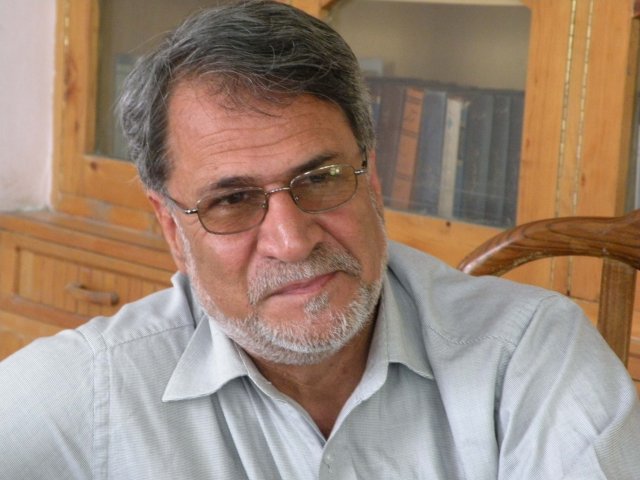
Dr. Muhiuddin Mehdi, a writer and researcher, criticized the Taliban's language policies, contrasting the group's treatment of the Persian language with their claim to be Hanafi.
He has known.
Mehdi wrote on his Facebook page that Persian was the native language of Imam Abu Hanifa, the leader of the Hanafi school of thought, and hostility to this language raises serious questions about the Taliban's religious claims.
He added that Imam Abu Hanifa even permitted
He had decreed that prayers be performed in Persian, and Persian has had a wide place in Islamic history in jurisprudence, interpretation, mysticism, and sciences.
The researcher also emphasized that Persian is spoken by a large part of the Afghan people and is a common language among the ethnic groups.
This is the country.
According to Mehdi, the Taliban are putting pressure on the language by removing Persian words from offices and bills, changing the names of some historical places, and restricting the use of a number of Persian words.
He left out the words
He considers "university" and "faculty" and the use of "workshop" instead of "workshop" as examples of this approach.
Mehdi further asked: "Isn't hostility to this language a clear evidence of the Taliban group's lying and pretense of being Muslim and Hanafi?"
He also said that the Taliban have not only continued the legacy of linguistic prejudices of previous governments, but in some cases have even taken further steps.
These statements come at a time when the Taliban's language policies, including the reduction of
The official use of Persian, the change of some historical names, and the increased use of Pashto have always faced criticism from writers and cultural activists.